


The Old Scoreboard
For a long time, success had a very clear scoreboard: income, title, property. Climb higher, collect more, and you’ve won. But talk to people who reached those goals and you’ll often hear a different story. A promotion arrived, and with it came longer days and shorter patience. They’d earned the prize but lost the freedom to enjoy it. That’s the question behind Time Affluence. What if success was measured by how much of your life is truly yours? It’s not an argument against ambition or money, since both matter, especially when bills are real. It’s an argument for adding a second column to the scoreboard. How many hours this week did you spend as you chose? A person can be doing well financially and poorly in this column, or the reverse, and seeing both gives a far more honest picture.
Time as a Kind of Wealth
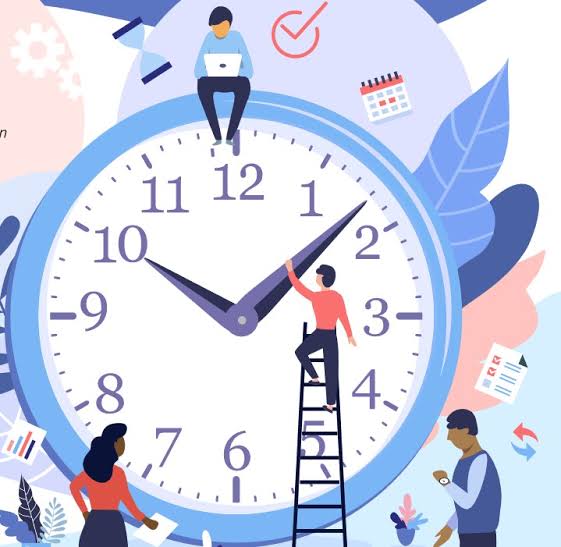
Think of your hours like a bank account. Each day you get a fresh deposit, and every commitment is a withdrawal. Some withdrawals are worth it, like work you find meaningful or time with people you love. Others are quiet drains. When you start viewing time this way, Time Affluence becomes easy to grasp. You can be time rich or time poor regardless of your paycheck. A freelancer with modest income and open afternoons might feel wealthier than an executive with no evenings. The Time Affluence newsletter puts it nicely: true wealth isn’t just about money, it’s having the freedom to spend your time doing what you love. That idea gives you permission to ask better questions before taking on a job, a project, or a social plan. What will this cost me in hours, and is it a fair price?
Personal Freedom in Everyday Choices
Freedom doesn’t only arrive with big decisions like changing careers. It’s built in tiny ones. Choosing when to check email, deciding to leave a meeting that’s gone off track, picking a slower route home because it’s pretty. Each choice returns a little control, and control is a big part of Time Affluence. People who feel in charge of their days tend to carry less stress, even when their workload stays the same. So look for small places where you can choose. Maybe you start work at a time that suits your energy. Maybe you take a proper lunch away from your desk. These changes sound minor, but they shift your relationship with the clock from “I’m chased by it” to “I’m using it.” And that shift, more than any single productivity trick, is what makes ordinary days feel more like your own.
A New Definition Worth Chasing
So what does success look like when time counts? It might look like a Thursday afternoon where you close the laptop on time, read a short newsletter with a cup of tea, and plan a weekend that you actually want. It might look like a schedule with room for surprise. It certainly looks like fewer apologies for being too busy to show up. Pursuing Time Affluence doesn’t mean giving up goals. It means choosing goals that leave you enough hours to live inside them. That’s a different kind of ambition, quieter and probably more lasting. It asks you to measure progress by how settled and free you feel, not only by what you’ve collected. Not everyone will understand it, and that’s fine. You’re the one living your days.
Conclusion
Success can have more than one measure. Money still matters, but so does the freedom to spend your hours well. Time Affluence gives that freedom a name and a path: notice where your time goes, make small choices that return control, and aim for a life that feels like yours. Start this week, even with one open hour, and see what you do with it.
